AI product rescue and rebuild

AI product rescue for prototypes that cannot survive real use

If a freelancer, no-code stack, or fast AI prototype proved the idea but exposed a weak foundation, we can assess what is salvageable and rebuild the product around real users, data, permissions, integrations, and edge cases.

For serious product owners with a validated direction and an underbuilt system that now blocks launch, reliability, or growth.

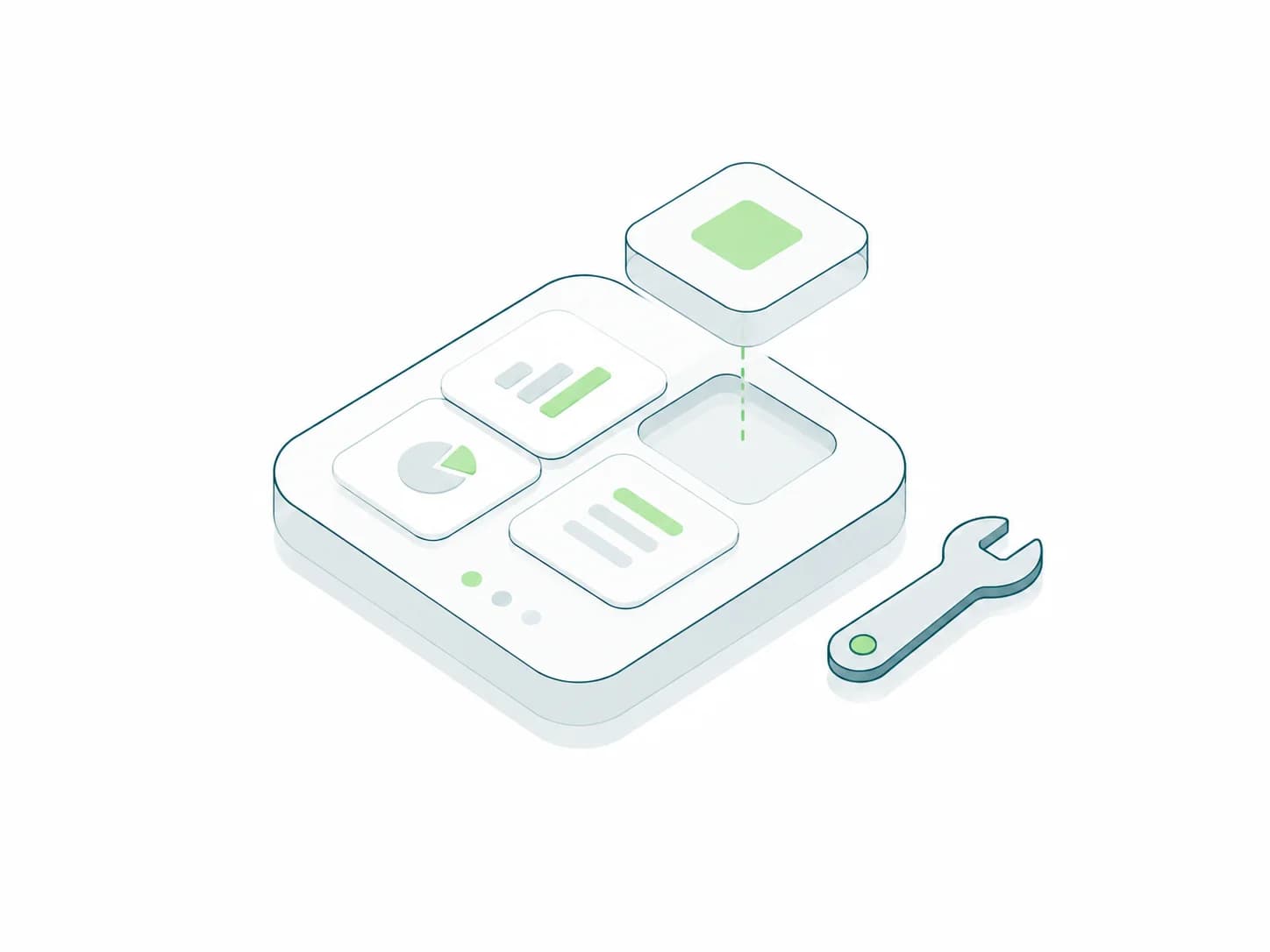
AI product rescue process replacing a fragile prototype with reliable product architecture
  • Product and codebase audit
  • Architecture redesign
  • UX and workflow repair
  • Grounded AI behavior
  • Data and integration rebuild
  • Migration and release planning

Why this service exists

A working demo can hide a broken product foundation

Fast prototypes are useful for learning. Problems begin when the demo becomes the production plan, even though it lacks the controls, data design, architecture, and user experience needed for everyday use.

01

The AI is impressive but unreliable

Outputs are not grounded in approved sources, prompts carry too much hidden logic, and the product has no clear behavior for uncertainty or failure.

02

Real workflows were never modeled

Roles, permissions, approvals, admin tasks, integrations, state changes, and exceptions were added late or omitted entirely.

03

Every fix creates another problem

Tightly coupled code, weak data models, duplicated logic, missing tests, and rushed infrastructure make small changes expensive and risky.

What we deliver

Rebuild the foundation, not another patch

Rescue starts with evidence. We inspect the product, code, workflow, AI behavior, and business constraints before deciding what can stay, what must change, and how to move without losing useful work.

Product and technical assessment

We review the current user flows, codebase, architecture, data, AI logic, integrations, deployment, and known failure patterns.

A rebuild decision and sequence

You get a clear view of what is reusable, what is dangerous to preserve, and which changes unlock the most reliable route forward.

Production-ready architecture

We separate concerns, repair the data model, create maintainable service boundaries, and build the infrastructure the product actually needs.

Reliable AI and source control

We redesign retrieval, tools, prompts, outputs, citations, evaluation paths, fallbacks, and human review where the use case requires them.

Usable roles, controls, and admin

We restore the missing product layer around the AI, including permissions, account states, workflow visibility, exceptions, and operations tooling.

Migration and release support

When existing users or data are involved, we plan the transition, validate the rebuilt paths, and reduce avoidable disruption at release.

Our process

How we approach an AI product rebuild

We do not assume a full rewrite before looking. The first job is to understand the product risk and identify the smallest responsible path to a stable system.

  1. 1

    Audit the product and code

    We inspect the user journey, architecture, data model, AI workflow, infrastructure, integrations, and current failure modes.

  2. 2

    Separate symptoms from causes

    We identify which issues come from product ambiguity, architecture, AI behavior, data quality, UX, or operational gaps.

  3. 3

    Agree on the rebuild boundary

    We define what remains, what is replaced, how data and users move, and which capabilities belong in the next stable release.

  4. 4

    Rebuild and validate critical paths

    We implement the foundation and test the highest-risk workflows, roles, AI outputs, integrations, and edge cases.

  5. 5

    Migrate, release, and stabilize

    We move the product to its new foundation, monitor the release, and handle bugs through the included post-development period.

Evidence from our work

The production standards we rebuild toward

These are examples of production concerns we have solved across AI products. They are not presented as rescue engagements; they show the level of workflow, control, and reliability a serious rebuild may require.

5k–50k

pages in large TCE bid-document packages

Typical large New York State bid-document range from the source context.

Grounded answers with exact sources

The document intelligence system returns source citations, page references, exact paragraphs, and highlighted evidence instead of leaving users to trust an unsupported answer.

See the document workflow

2m37s

average first response on Ergo's AI-assisted channel

Automation with human handoff

Website chat, internal app chat, and email connect to one workflow with routing rules for pricing, bugs, unhappy users, sales opportunities, unknown answers, and human requests.

See the handoff system

15+

core workflows structured for GTS Innovative

Complex roles made coherent

We designed and built a 50+ screen marketplace spanning inventors, service providers, investors, admins, permissions, messaging, collaboration, and AI-assisted invention development.

See the product architecture

Who it is for

When rescue is the responsible next move

A rebuild makes sense when the product direction is valuable but the current implementation creates more risk than leverage. It is not a route to unlimited patching on an unclear idea.

A good fit

  • Products that proved demand or internal value but fail under real usage
  • AI applications blocked by unreliable outputs, data, permissions, or integrations
  • Teams that need to preserve useful assets while replacing a weak foundation
  • Owners ready to invest in a maintainable product rather than another quick fix

Probably not a fit

  • One-off bug tickets on products we did not build
  • Unvalidated ideas looking for the cheapest possible prototype
  • Teams unwilling to share the code, infrastructure, or product context needed for an assessment
  • Requests to patch around critical security or data risks without addressing the cause

Frequently asked questions

Questions about ai product rescue

The practical details usually matter more than a polished pitch. These are the questions we hear before a serious first conversation.

How do you decide between repairing and rebuilding?

We inspect the product, codebase, architecture, data model, AI workflow, integrations, and release constraints first. The recommendation depends on which parts are reliable, maintainable, and aligned with the product you now need.

Can you rescue a vibe-coded or no-code AI prototype?

Yes, when the prototype has helped validate a serious product direction and the owner is ready to rebuild the system properly. We do not assume the prototype's architecture should survive just because the interface is working.

Can we keep the existing design, data, or integrations?

Potentially. We preserve assets that are useful and safe to carry forward. Existing data, interface work, integrations, or specific services may remain, but only after we understand their quality and migration risk.

Can you rebuild without taking the current product offline?

Often a staged migration is possible, but the right approach depends on the architecture, active users, data model, and integration surface. We plan the transition after the technical assessment.

Do you provide one-off maintenance for products you did not build?

Not as a general bug-fixing service. An outside product needs a defined rescue or assessment engagement so we can take responsibility for the foundation before ongoing work begins.

Find out whether the product can be saved and how

Show us the current product, the failures you see, and the release you need. We will help identify the root causes and the safest route to a production-ready foundation.

Discuss My AI Rebuild