From Prototype to Production With a Small, Usable Alpha
Use a prototype to production checklist that tests saved work, account boundaries, recovery and support before inviting your first alpha users.
Luka Abramovic3 min read
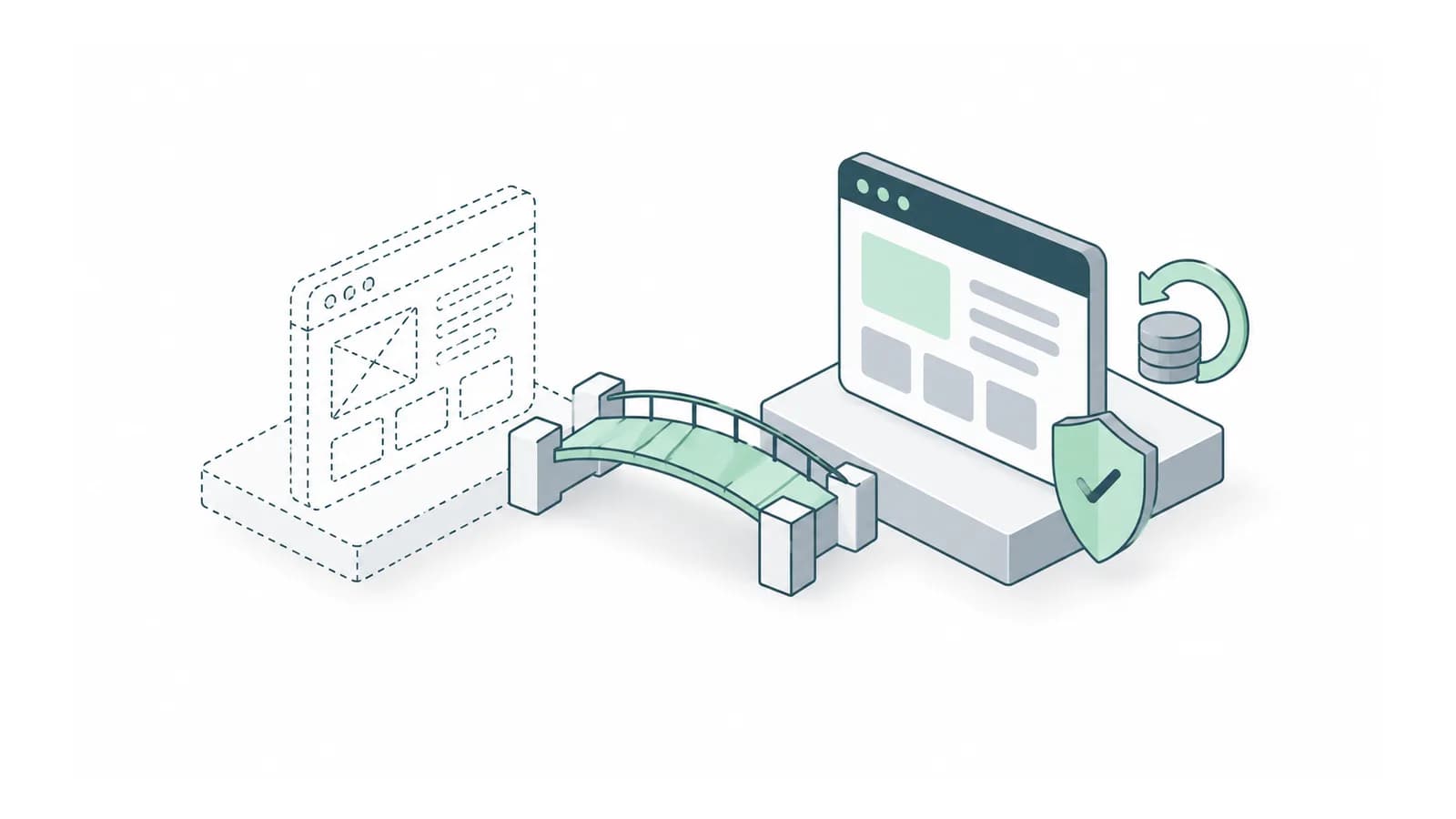
A prototype to production checklist should expose what the demo quietly supplies for the user. Seeded data, a permanently signed-in founder account and a perfect network can conceal the work required for a usable alpha. Start the same task from a new account with no prepared records.
An alpha can have a narrow scope. It still needs to preserve the work users are invited to do. Write the supported outcome first so you can distinguish a missing future feature from a defect that prevents the present task.
Inventory the shortcuts behind the demonstration
Ask the developer to reset the prototype and repeat the demo while explaining every manual setup step. List accounts created outside the interface, data copied into storage, jobs rerun manually and external services replaced by sample responses.
Classify each shortcut as acceptable pilot operation, work required before invitations or excluded capability. A manually approved account can be acceptable when someone owns that queue. A save button that only updates the screen cannot support real customer work.
Copy this alpha release check
Supported user and completed outcome
New account can begin without hidden setup
Saved work survives refresh and sign-in
A second account cannot read the first account's work
Interrupted external action has a visible state
Support can find a failed attempt from its reference
Backup has been restored into a separate test environment
A failed release has a documented recovery route
Known exclusions are visible before users rely on them
Named person owns incoming pilot problems
Give each line an owner and evidence, such as a recorded test or a restored sample record. A tick without evidence does not distinguish a demonstrated capability from an assumption. Avoid using real customer information in recovery tests unless the environment is approved for it.
Interrupt the core journey deliberately
Close the page after entering data but before the success message. Repeat with the connection interrupted after submission. Reopen the task and compare the stored record with what the user saw. A lost response can leave a successful operation looking unsuccessful, which encourages a duplicate attempt.
Ask the team to show how that ambiguous state is resolved. The interface should obtain the actual result or show a pending state. It should not create a new operation merely because the browser did not receive the first response.
Check recovery before expanding the cohort
In an illustrative alpha plan, there are ten release checks. Nine pass, but the restore test fails. The score is nine of ten. That is not a reason to accept the release if the pilot will store work you cannot reconstruct. Some checks are gates, not points that can be averaged away.
Test recovery of the application and its data together. Rolling back the screen code may not undo a change to stored records. Record the last recoverable state, the steps to restore it and who can perform them. The exact approach depends on the product’s storage and deployment design.
Invite only the users whose intended tasks fall inside the supported boundary. Give them a clear problem-reporting route and collect the task reference, expected result and observed result. Those details let the team investigate failures without asking users to retell the entire session.
Bring the prototype and its demo setup steps. We can turn the hidden assumptions into a concrete alpha release checklist. Discuss the first release with Adamant Code.