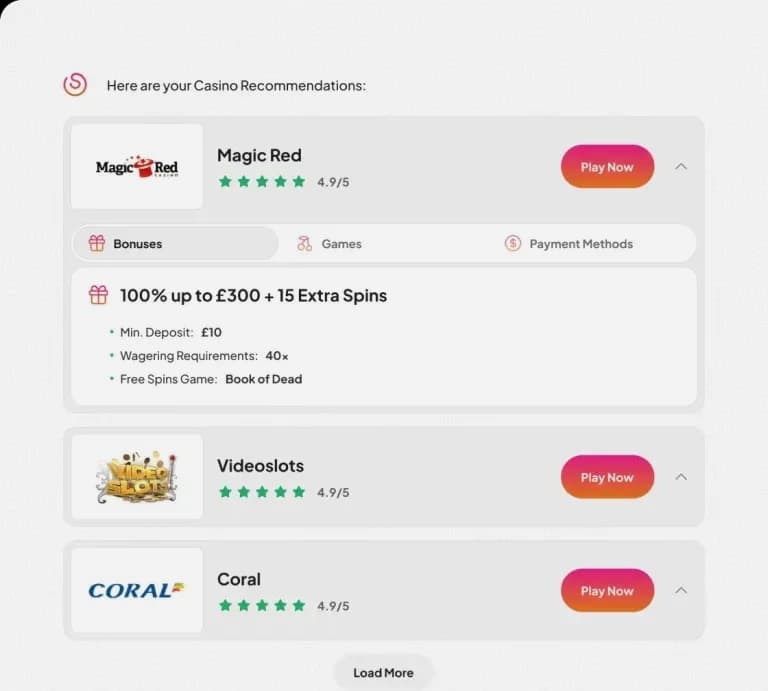
Results with useful detail
Expandable cards organize provider information into clear categories, so users can inspect a result without leaving the conversation.
We built the web and mobile experience, recommendation logic, knowledge layer, and structured query engine needed to move from a user's intent to relevant catalog options.
items in the recommendation catalog
providers represented
custom text-to-SQL recommendation engine
The client saw an opportunity to help consumers navigate a catalog of around 20,000 items from 1,000 providers. The experience needed to understand what a user wanted, apply preference and catalog data, and make the result easier to explore than a conventional filter interface.
A generic model could produce plausible suggestions, but useful recommendations had to be tied to the available catalog and the signals the product knew about each user.
The system had to search and compare thousands of available items and providers rather than rely on model memory.
User preferences and entity tags needed to influence which results appeared and why they were relevant.
Knowledge-base answers and live-service information had to remain connected to the product's actual sources.
We designed the recommendation approach, trained the text-to-SQL engine, built the web and mobile products, connected the knowledge and live-service layers, and shaped the experience around personalized discovery.
We connected natural-language intent to structured catalog data, preference signals, and entity tags.
We delivered the recommendation experience across web and mobile rather than stopping at an isolated AI service.
We brought catalog retrieval, knowledge-base answers, and the user interface together in one recommendation experience.
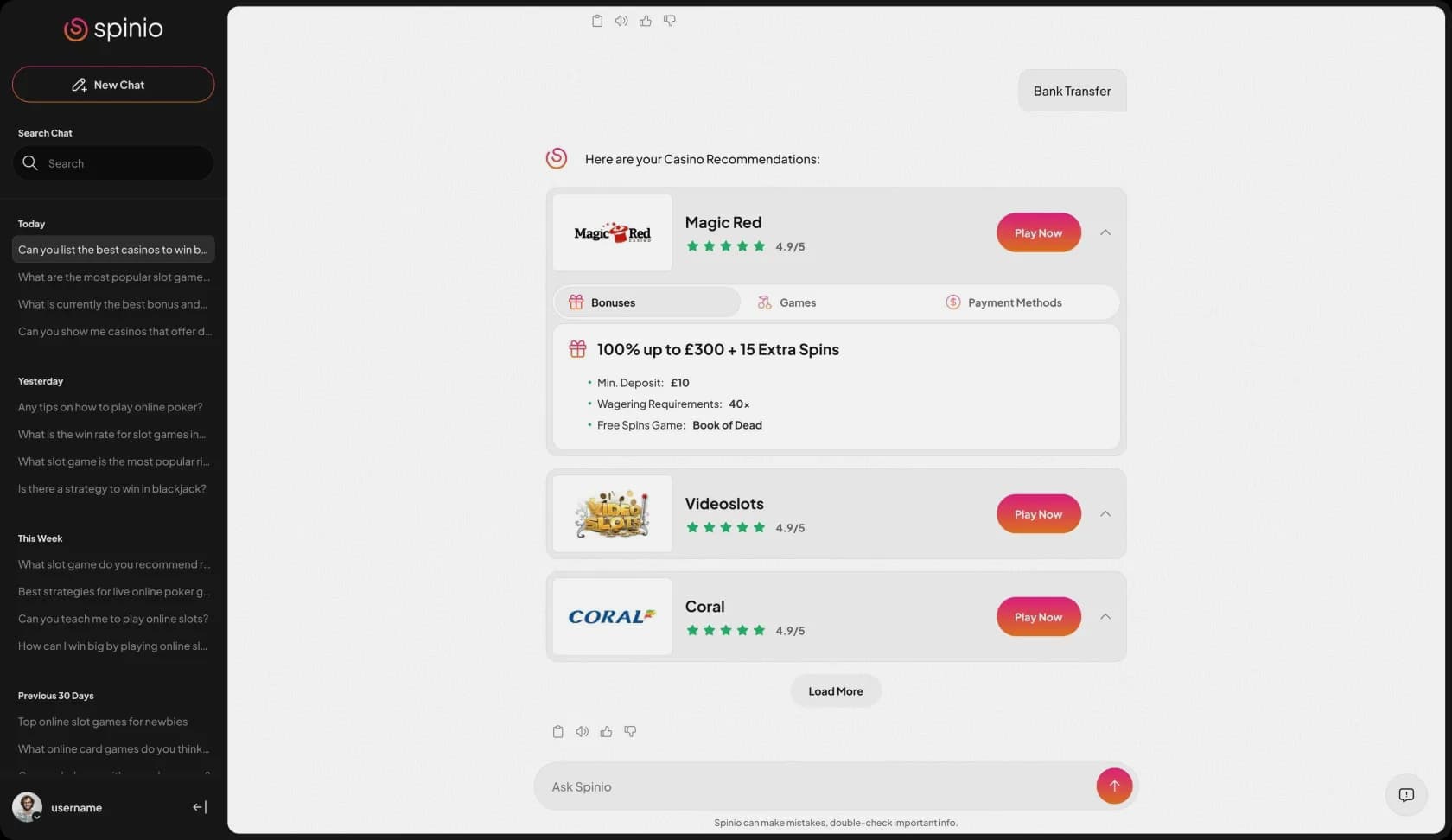
Recommendations, catalog details, and conversation history work together across desktop and mobile.
Expandable cards organize provider information into clear categories, so users can inspect a result without leaving the conversation.
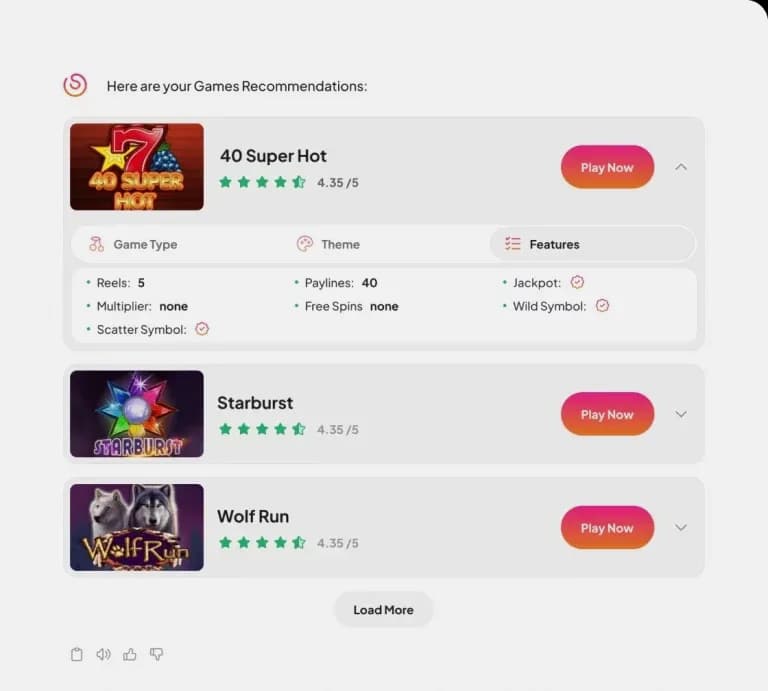
Each result brings together item attributes, categories, and features, giving users a structured way to explore the options returned by the recommendation engine.
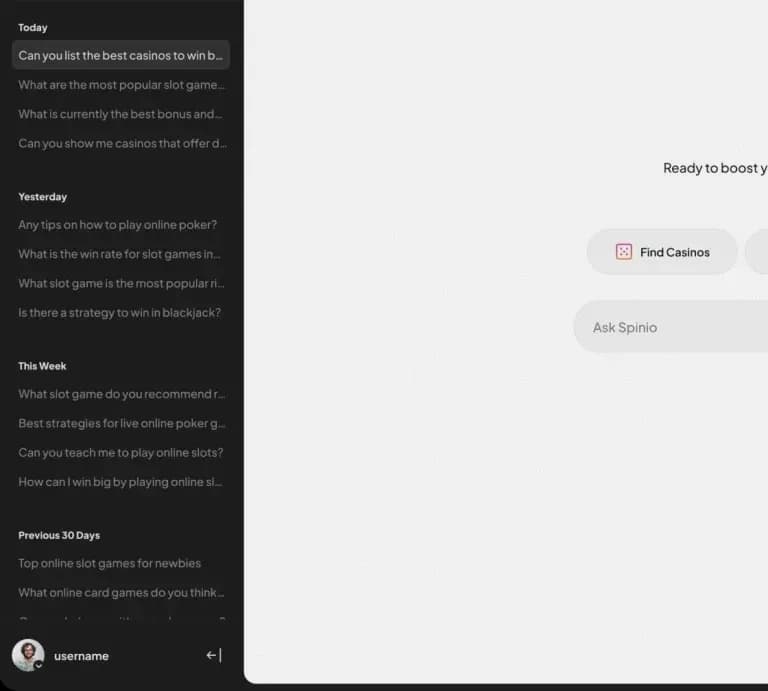
A sidebar groups previous chats by time, making it easy to revisit a question and continue exploring without starting over.
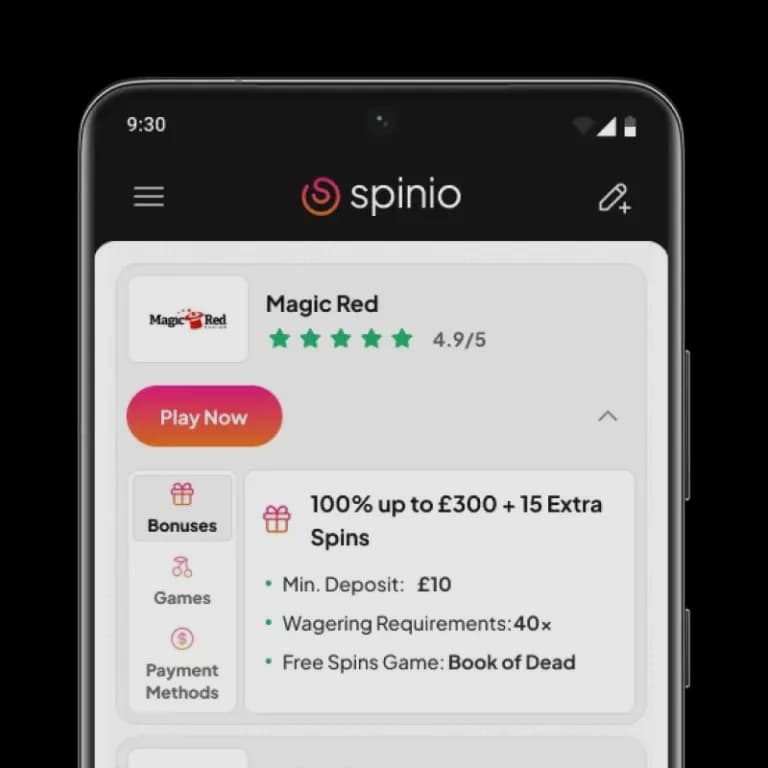
The mobile experience brings the same result cards and detail tabs to a compact layout, with controls arranged for a smaller screen.
The workflow uses the conversational request to create a structured path through the catalog.
The product identifies what the user is looking for and the context that should shape the result.
The text-to-SQL engine converts the request into structured retrieval against the available data.
User signals and entity attributes help rank the catalog options for relevance.
The recommendation is presented inside the product with the information needed to continue discovery.
The recommendation engine works as part of a larger consumer product with the data, knowledge, and interfaces required to support discovery.
Users can access the discovery flow through products designed for both platforms.
Text-to-SQL keeps recommendations connected to the catalog rather than generic model knowledge.
Controlled content supports questions that need more than a ranked list of items.
External service information can enter the experience where the recommendation requires it.
We delivered the recommendation platform across web and mobile, with a catalog of roughly 20,000 items and 1,000 providers. The build combined preference logic, structured retrieval, and product knowledge in one experience. These figures describe the catalog covered by the build.
Recommendation products become credible when AI is grounded in real catalog structure, preference data, and product logic. A plausible suggestion is not enough if the system cannot explain where the available options came from.
We can help connect conversational intent to real catalog data, preference logic, and a complete discovery experience.
Product walkthrough
1 / 4
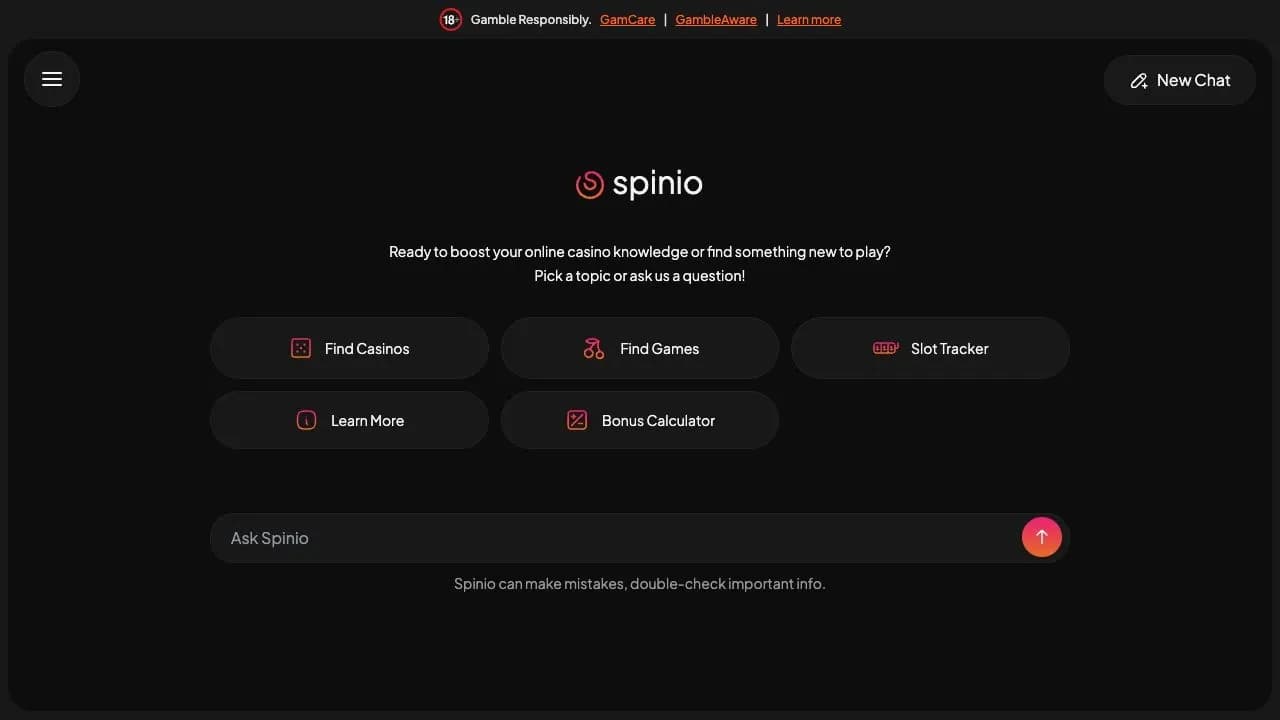
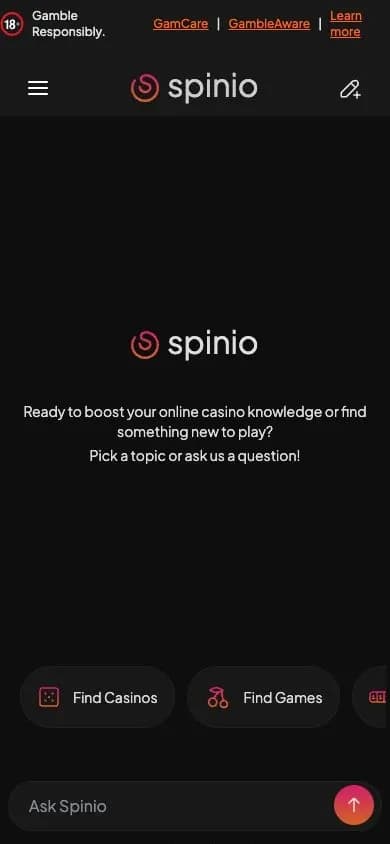
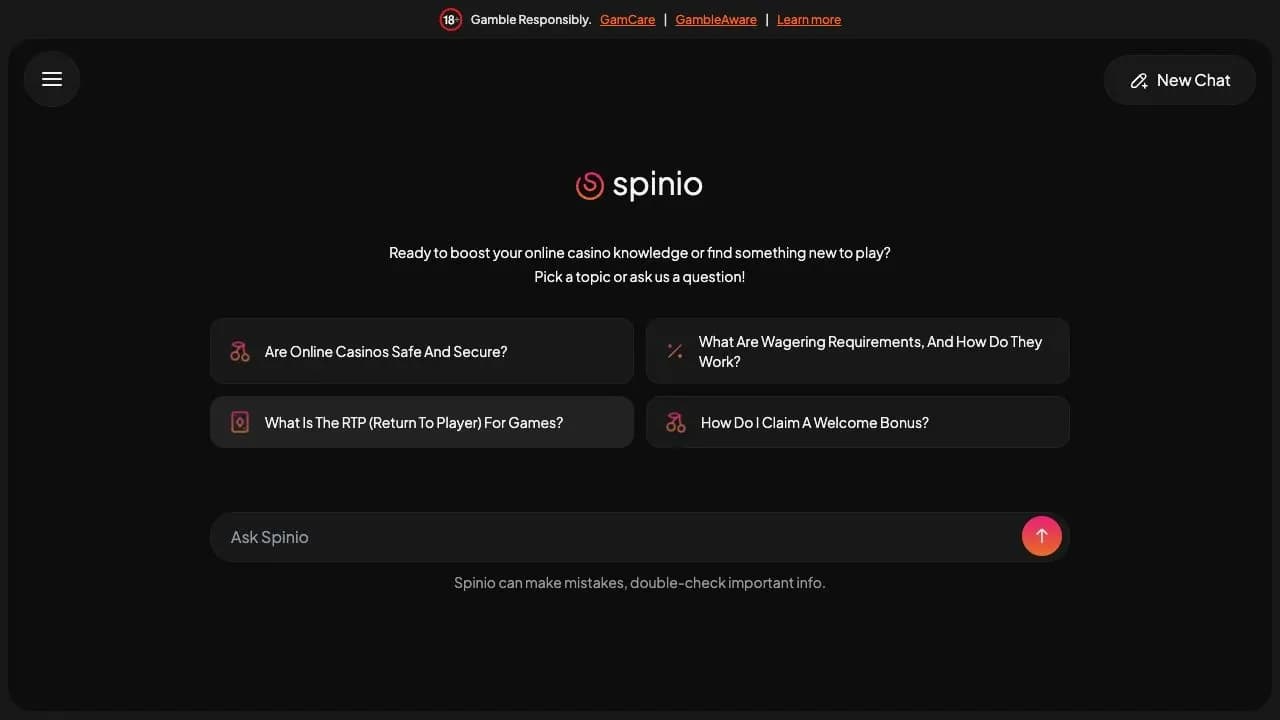
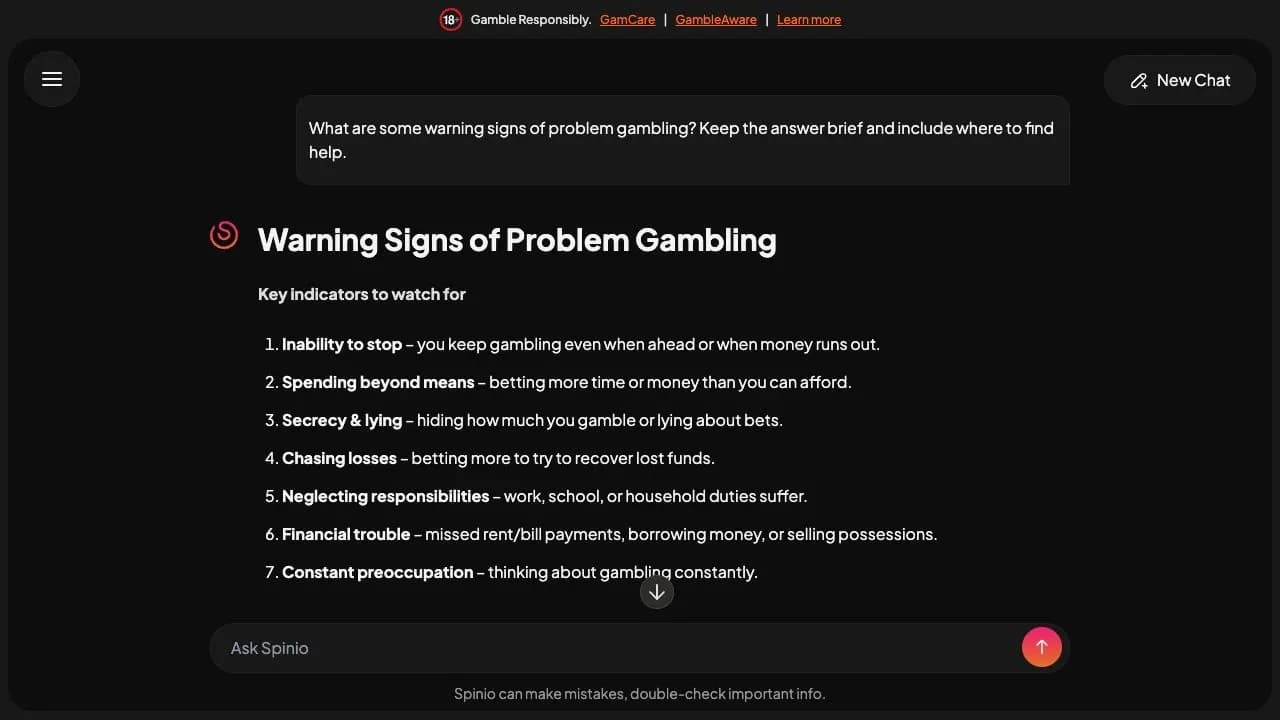
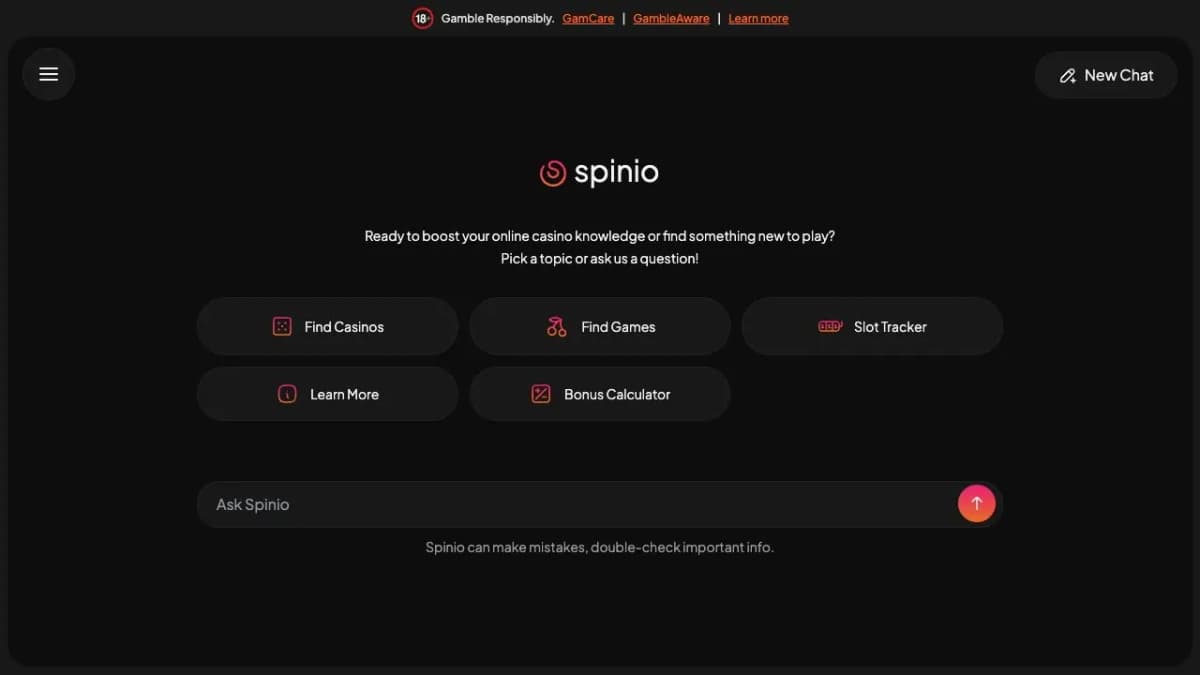
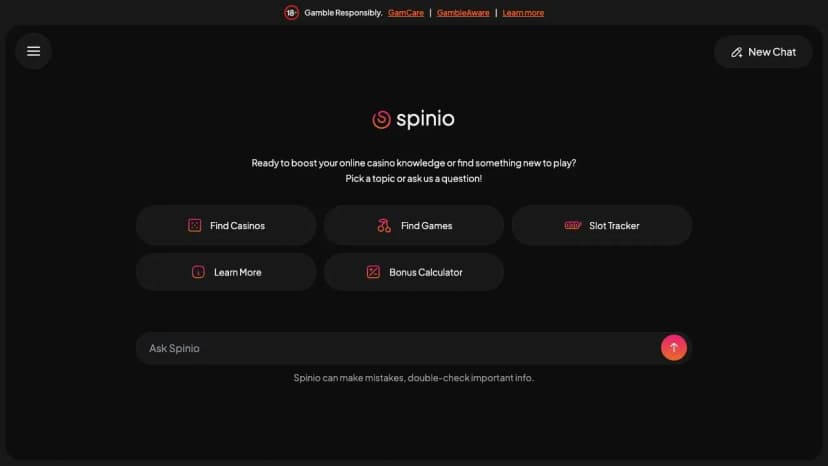
Topic shortcuts and free-text questions give users two ways to start a conversation.
Talia Tsadick, Executive, Spinio AI shares their experience working with Adamant Code.
Talia Tsadick, Executive, Spinio AI
On working with Adamant Code to build the product.
“It felt like working with a true partner and not just a development agency.”

Bring one manual process, disconnected workflow or software problem. We’ll discuss what needs to work differently, the constraints involved and a sensible next step.
Talk through your workflow
We translated a founder's market vision into 50+ screens, 15+ workflows, and a structured invention process for inventors, service providers, investors, and admins.
GTS Innovative had a clear market vision and rough wireframes, but the user journeys, permissions, product logic, and AI workflow still needed definition. We turned that starting point into a complete marketplace platform.
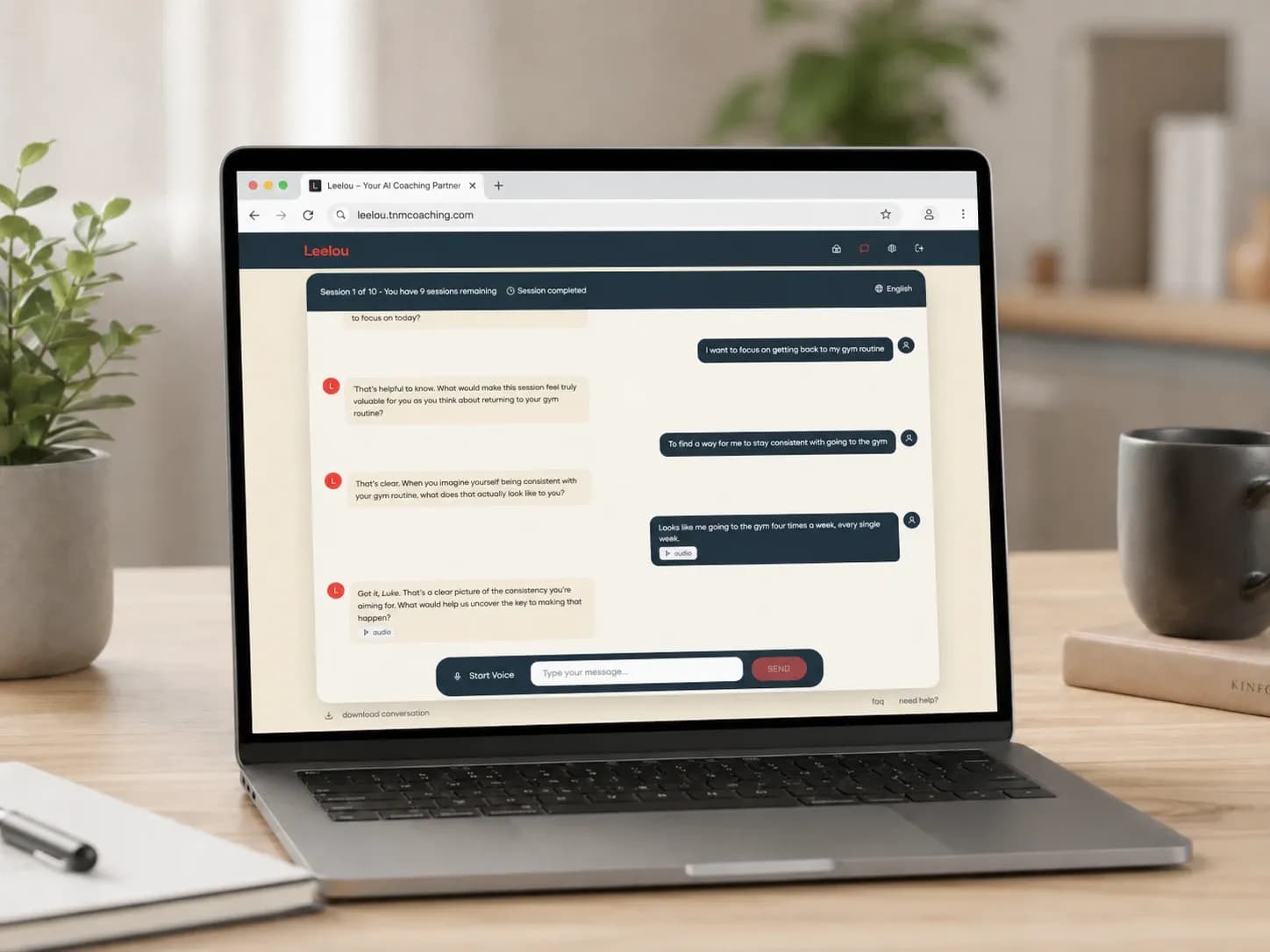
95% of onboarded regular users completed at least one session.
TNM needed more than a generic conversational interface. Leelou AI had to reflect its coaching posture and improve through testing with people who understood its quality standards.
Explore how we shape the first release, design the experience and build your product with one team.
A separate engineering example of validating numerical answers and surfacing uncertainty. It does not describe this project's implementation.