AI document search for engineering

Find the answer and the evidence behind it

We build document search for engineering teams working through specifications, addenda and large bid packages. Ask a question, inspect the supporting page and paragraph, and keep the engineering decision with the people responsible for it.

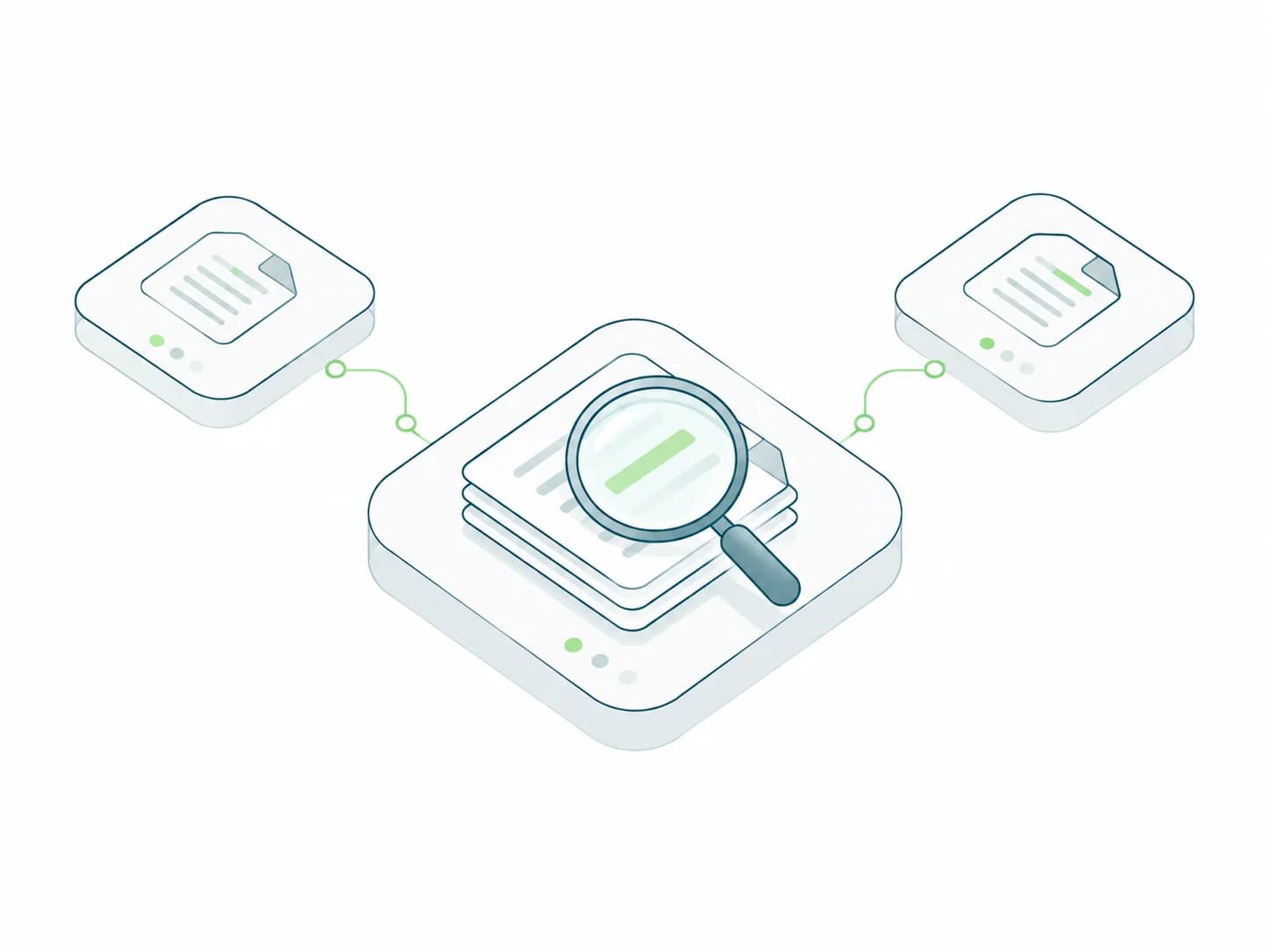
Search across engineering documents with highlighted supporting evidence

Start with the question your engineers cannot answer quickly

The right solution depends on what is missing from the current workflow.

A good reason to evaluate custom search

  • Answers span large specifications, bid packages or several related files.
  • Engineers need the exact passage behind an answer before relying on it.
  • Revisions, addenda and project access change what a valid answer can use.
When another improvement may be enough

  • Clear file names, metadata or existing search can recover known documents.
  • The main gap is approvals, retention or document ownership.
  • The team cannot yet identify authoritative versions or review sample answers.

We assess your current repository before recommending a separate system. Search quality does not replace document control or an engineer’s review.

Evaluate before wider rollout

A useful answer has to survive a source check

We work through the questions, access rules and failure cases with your team before expanding the scope.

  1. Choose a representative document set

    Include the files engineers actually search, with scans, tables, revisions and addenda where relevant. Identify who owns them and which version applies.
  2. Agree questions and acceptable evidence

    Have an engineer record the expected answer and supporting passage. Include exact references, conflicts, missing information and questions outside the document set.
  3. Test retrieval and access boundaries

    Check that each answer points to the right page and paragraph. Repeat tests with restricted users, superseded documents and revoked access. Record failures separately from useful answers.
  4. Decide what is ready for daily work

    Compare the current search process with the evaluated system. Agree which document sets and users can start, how corrections are handled and what still needs improvement.

Use the evaluation sheet with your own documents

The existing guide includes a 40-question test set and an editable scoring workbook. Record the expected source, answer correctness, citation quality and permission result separately. An unsupported answer should be marked as a failure even when it sounds plausible.

Open the engineering evaluation guideDownload the evaluation workbook

Delivery evidence

Built around TCE’s engineering bid work

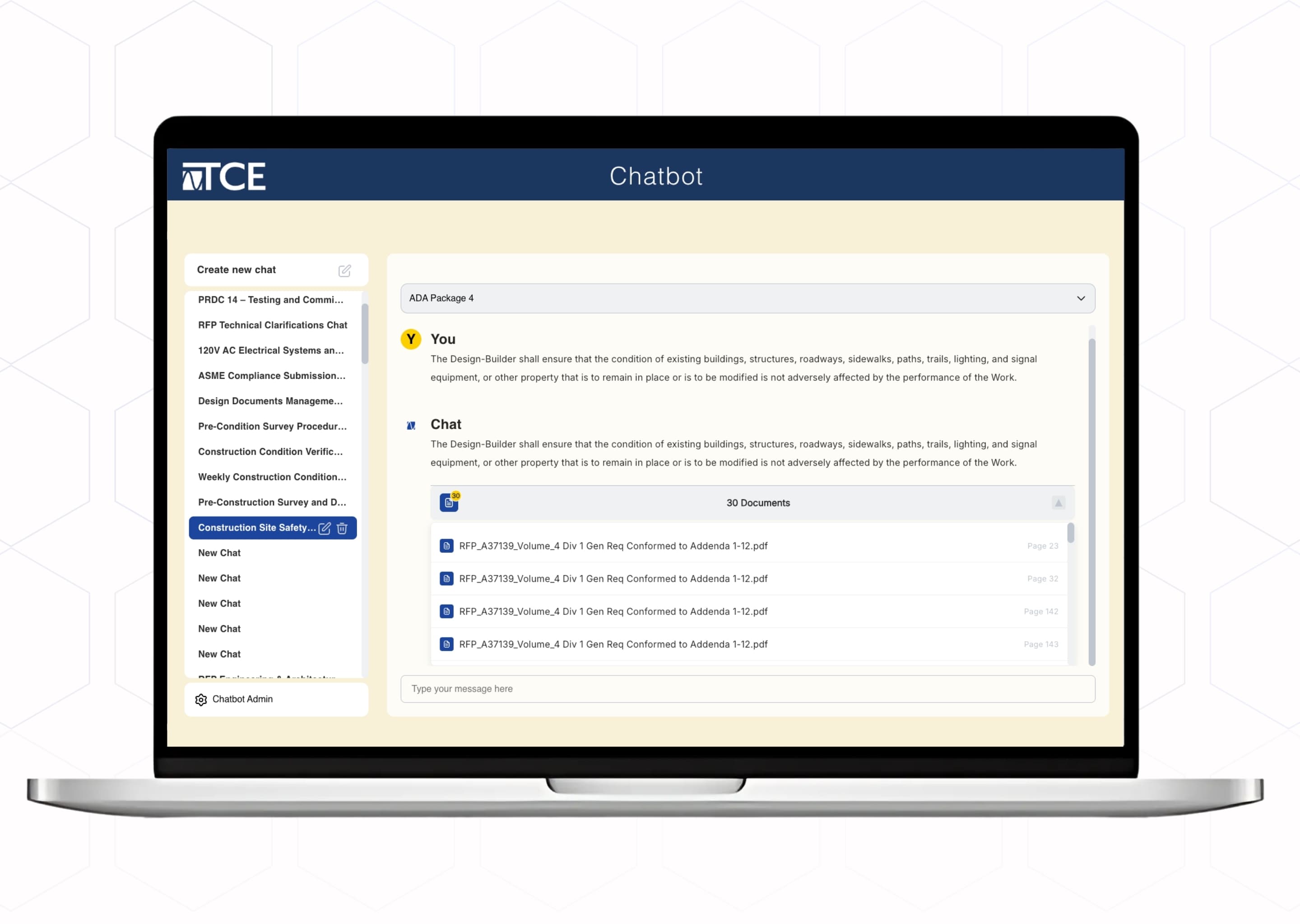
TCE engineering document search showing a cited answer on a laptop

TCE · Infrastructure

Answers engineers can trace to a page and paragraph

For TCE, we built document search with citations, highlighted evidence and access controls around bid packages that can reach 5,000 to 50,000 pages. The system is in production and still used by the team.

estimated daily search and answer-reading time per engineer
~60 to ~10 min
estimated reduction in document-search time
~83%

Based on engineer interviews and client estimates, including time to read the AI answer. These figures were not measured through usage logs or a controlled pilot and are not a promised result for another team.

How we work

We work week by week

Each week covers whatever the project needs most: planning, design, development or testing. We start with your workflow and goals, agree what to tackle first, and adjust priorities together as the work takes shape.

30 days of bug fixes included

Each completed phase includes 30 days of bug fixing at no extra charge. Ongoing maintenance, AI tuning, and new improvements are scoped separately.

FAQ

Questions about engineering document search

Something else on your mind? Ask Luka directly on a short call.

Do we need a new document management system?

Not necessarily. We first check whether your existing repository and search tools can meet the need. Custom search may fit when engineers need answers across a document set with exact source references, revision rules and access controls. Retention, approvals and document ownership may need a different improvement.

How do we know whether an answer is reliable?

We evaluate representative questions against answers and source passages reviewed by your engineers. Tests cover missing evidence, conflicting revisions and questions the system should decline to answer. A fluent response does not count as a correct answer.

Can it work with scans, tables and revised specifications?

We inspect representative files before defining the scope. Scans may need text extraction, tables need their structure preserved, and revisions need a rule for which document applies. We test these separately rather than assuming every file will work equally well.

How are document permissions handled?

We agree who can access each document set and test retrieval with users who should and should not see it. Answers, citations and previews must respect those access boundaries, including after access is revoked.

How does a project start?

With a conversation about your workflow and what needs to change. From there we work week by week, covering planning, design, development and testing, and agree priorities together as we go.

What determines the build cost and timeline?

The first-release scope, user roles, data quality, integrations, AI evaluation, design work, and deployment requirements determine the effort. Access, feedback, and third-party dependencies also affect timing. We share an initial estimate once we understand the work and revisit it with you as priorities change.

What do you need from our team?

An owner who can make decisions, examples of the workflow and exceptions, access to the relevant systems and data where appropriate, and people who understand the users. We agree the inputs and review points before work starts. A complete technical specification is not required.

What is outside the engagement?

Marketing execution, staff augmentation, and unlimited revisions or support are outside our standard product-build engagement. We agree together what each phase includes.

What happens after a phase is completed?

Each completed phase includes 30 days of bug fixing at no extra charge. Ongoing maintenance, AI tuning, and new improvements are scoped separately.

Bring the questions that slow your engineers down

Start with a description of the document set, a few questions your team struggles to answer and the access rules that matter. We will discuss what to evaluate first and agree how any sensitive examples can be shared.

Discuss your document search
Grid Background